Vancouver Island Yacht Routes

Top 5 Yacht Routes Around Vancouver Island
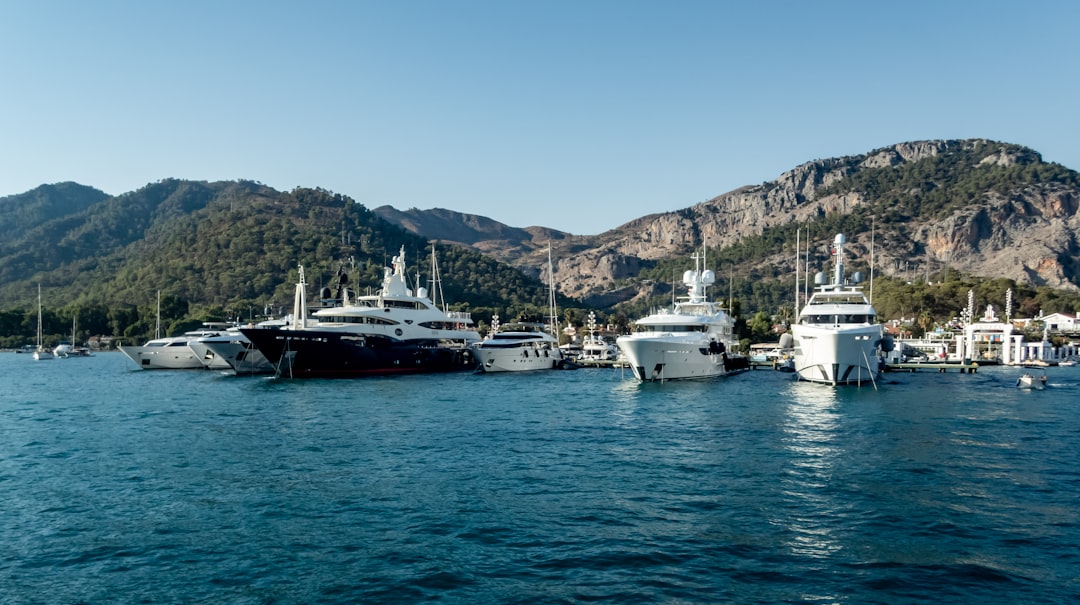
Vancouver Island offers some of the most stunning yacht routes in Canada, combining pristine waters, abundant wildlife, and picturesque harbors. Whether you're planning a weekend getaway or a longer expedition, these five routes provide unforgettable experiences for yacht enthusiasts of all levels.

1. Gulf Islands National Park Reserve Circuit

The Gulf Islands offer a perfect introduction to yacht touring around Vancouver Island. This route takes you through sheltered waters and a collection of islands with unique charm and character.

Starting from Sidney, navigate through channels between Pender, Saturna, and Mayne Islands. These waters are relatively protected, making this route ideal for less experienced sailors. Don't miss Montague Harbour on Galiano Island, with its stunning shell beaches and excellent hiking trails.

Wildlife spotting opportunities abound - keep your eyes peeled for orcas, seals, and a variety of seabirds. Each island offers unique attractions, from artisan shops to local vineyards producing excellent wines.

2. Desolation Sound Loop

For those seeking dramatic scenery and warmer waters, Desolation Sound is unparalleled. Despite its foreboding name, this area features some of the warmest waters north of Mexico and spectacular mountain backdrops.

Begin your journey from Campbell River and head north to Desolation Sound Marine Provincial Park. The route offers numerous sheltered anchorages like Prideaux Haven and Tenedos Bay. The fjord-like landscape creates a sense of isolation and tranquility that's increasingly rare in today's connected world.

The waters here reach temperatures of up to 74°F (23°C) in summer, making swimming a pleasure. Kayaking from your yacht to explore hidden coves and shorelines is highly recommended.

3. Broken Group Islands Expedition

Located within the Pacific Rim National Park Reserve, the Broken Group comprises over 100 islands and islets. This route offers a true west coast experience with opportunities to explore pristine beaches, hidden lagoons, and incredible biodiversity.

Setting out from Ucluelet, navigate through the protected waters of Barkley Sound. The route requires careful planning as many passages between islands are shallow or rocky. However, the reward is access to secluded anchorages where you might be the only yacht in sight.

Snorkeling and diving enthusiasts will find fascinating underwater exploration opportunities, with kelp forests and diverse marine life. This area also holds significant cultural importance for indigenous peoples, with ancient middens and other archaeological sites visible on some islands.

4. Inside Passage Segment

For more experienced yachters looking for a longer adventure, tackling a segment of the famous Inside Passage offers an epic journey. The full route extends from Seattle to Alaska, but the Vancouver Island portion provides enough wonder for a one to two-week expedition.

Begin in Port Hardy and head north to Bella Bella and the Great Bear Rainforest region. This route takes you through some of the most remote and pristine wilderness on the coast, with opportunities to spot black bears, grizzlies, wolves, and potentially the rare spirit bear.

Navigation challenges include strong currents at narrow passages and rapidly changing weather conditions. Proper planning and experience are essential, but the rewards of experiencing this wilderness from the water are unmatched.

5. Victoria to Tofino Coastal Route

For those seeking variety, the journey from Victoria around the southern tip of Vancouver Island to Tofino offers diverse experiences from urban sophistication to wild coastlines.

Starting from Victoria's picturesque Inner Harbour, head west past Sooke and around to Port Renfrew. This section requires careful timing as the Juan de Fuca Strait can be challenging in poor weather. From Port Renfrew, continue north to Barkley Sound and Ucluelet before reaching Tofino.

This route showcases the contrast between Vancouver Island's sheltered eastern shores and its wild Pacific coastline. Stops along the way include hot springs, remote beaches, and the charming towns of Ucluelet and Tofino with their excellent dining options and surf culture.

Essential Planning Tips

  • Always check weather forecasts and tide tables before setting out
  • Ensure your yacht is properly equipped with navigation tools and safety equipment
  • Research anchorages and marinas along your route
  • Respect wildlife viewing guidelines - maintain appropriate distances
  • Prepare for limited cell coverage in remote areas

Vancouver Island's diverse coastline offers something for every yacht enthusiast, from beginners to seasoned sailors. These five routes showcase the best of what this magnificent region has to offer. Whether you own a yacht or are considering a charter, these journeys promise unforgettable experiences on the water.

At Windelle Yacht Tours, we offer guided expeditions on all these routes, with expert captains who know these waters intimately. Contact us to plan your Vancouver Island yacht adventure today!
Yacht Charter Guide

The Complete Guide to Yacht Charters in Canada

Chartering a yacht in Canada opens up a world of breathtaking landscapes, pristine waters, and unforgettable experiences. From the rugged Pacific coastline of British Columbia to the historic waterways of the Great Lakes and the maritime charm of the East Coast, Canada offers diverse yachting opportunities for every taste. This comprehensive guide will walk you through everything you need to know about chartering a yacht in Canadian waters.

Understanding Yacht Charter Options

Before diving into the specifics, it's important to understand the different charter arrangements available:

Bareboat Charters

In a bareboat charter, you rent the yacht without a crew or provisions. This option is for experienced sailors who possess the necessary qualifications and confidence to captain a vessel. You'll be responsible for navigation, operation, and all aspects of the journey.

Requirements typically include:

  • Proof of sailing experience or certification
  • Navigation skills
  • Knowledge of maritime regulations
  • Ability to handle the specific yacht size

Crewed Charters

For those seeking a more relaxed experience, crewed charters provide a professional captain and, depending on the yacht size and package, additional crew members such as a chef, steward, or deckhand. This option allows you to enjoy the experience without the responsibilities of yacht operation.

Benefits include:

  • Local knowledge from experienced captains
  • Personalized itineraries based on your preferences
  • Professional service and catering
  • No sailing experience required

Skippered Charters

A middle ground between bareboat and fully crewed options, skippered charters provide a captain but no additional crew. This can be ideal for those with some sailing experience who want to learn more or simply prefer having an expert handle the navigation while participating in sailing activities.

Canadian Charter Regions and Their Highlights

British Columbia

The Pacific Coast of Canada offers some of the world's most spectacular cruising grounds:

  • Gulf Islands: Protected waters, quaint harbors, and abundant wildlife make this area perfect for novice charterers.
  • Desolation Sound: Known for warm waters, dramatic mountain backdrops, and secluded anchorages.
  • Broughton Archipelago: More remote cruising with opportunities to see orcas, bears, and other wildlife.
  • Great Bear Rainforest: For experienced sailors seeking wilderness and potential sightings of the rare spirit bear.

Charter bases are primarily located in Vancouver, Sidney (near Victoria), and Nanaimo.

The Great Lakes

These vast freshwater seas offer unique cruising experiences:

  • Georgian Bay: Known as the "sixth Great Lake," featuring the stunning 30,000 Islands region.
  • Lake Ontario: Explore the Toronto waterfront, Thousand Islands region, and historic ports.
  • Lake Superior: Wilderness cruising with dramatic cliffs and pristine national parks.

Major charter bases include Toronto, Kingston, and Midland/Penetanguishene on Georgian Bay.

East Coast

The Maritime Provinces offer distinct sailing experiences:

  • Bay of Fundy: Experience the world's highest tides and unique coastal formations.
  • Nova Scotia's South Shore: Historic fishing villages, stunning beaches, and seafood havens.
  • Cape Breton: The famous Bras d'Or Lake, an inland sea offering protected cruising.

Charter operations can be found in Halifax, Lunenburg, and Sydney.

Legal Requirements and Regulations

Licensing and Qualifications

For bareboat charters in Canada, you'll typically need:

  • A Pleasure Craft Operator Card (PCOC) for Canadian residents
  • International equivalents or proof of experience for non-residents
  • Charter companies often require a sailing resume and may conduct an on-site skills assessment

Border Procedures

International visitors chartering in Canada should be aware of:

  • The need to clear customs when arriving by air before boarding your charter
  • Reporting requirements if sailing across international boundaries (particularly relevant near the US border)
  • The NEXUS program, which can simplify border crossings for frequent travelers

Marine Parks and Protected Areas

Canada has numerous marine parks and protected areas with specific regulations:

  • Permits may be required for overnight mooring in national parks
  • Some areas have restrictions on fishing, anchoring, and wildlife approach distances
  • Pack-in, pack-out policies are enforced in most wilderness areas

Seasonal Considerations

Pacific Coast (BC)

  • Peak Season: June to September offers the most reliable weather
  • Shoulder Seasons: May and October can offer quieter cruising but with greater weather variability
  • Off-Season: Limited charter availability November through April due to winter storms

Great Lakes

  • Peak Season: July and August have the warmest water temperatures
  • Shoulder Seasons: June and September can be lovely with fewer crowds
  • Charter Season: Generally May through October, as the lakes can freeze in winter

East Coast

  • Peak Season: July and August
  • Shoulder Seasons: June and September can offer good conditions with fewer tourists
  • Fog Considerations: June can have significant fog on parts of the Atlantic coast

Planning Your Charter

Budgeting Essentials

When planning your yacht charter, consider these costs:

  • Base Charter Fee: The cost of renting the yacht (typically higher in peak season)
  • Security Deposit: Usually required and refundable if the yacht is returned undamaged
  • Insurance: Consider damage waiver options to reduce potential liability
  • Provisioning: Food and beverages for your journey
  • Fuel: Either as a surcharge or paid based on consumption
  • Marina Fees: If you choose to dock at marinas rather than anchoring
  • Optional Extras: Equipment like kayaks, paddleboards, fishing gear

Packing Recommendations

Space is limited on yachts, so pack smartly:

  • Soft-sided luggage that can be collapsed and stored
  • Layered clothing (even summer evenings can be cool on the water)
  • Non-marking deck shoes
  • Waterproof jacket and pants
  • Sun protection (hat, sunglasses, sunscreen)
  • Seasickness remedies if you're prone to motion sickness
  • Camera equipment (preferably waterproof)
  • Personal medications and first aid items

Communication and Navigation

Be prepared for variable connectivity:

  • Cell coverage can be spotty in remote areas, particularly on the Pacific Coast and parts of the Great Lakes
  • Consider renting a satellite phone for emergency communication
  • Download offline maps and charts before departure
  • Many charter companies provide GPS chartplotters, but bringing backup navigation tools is wise

Choosing the Right Charter Company

Research is essential when selecting a charter provider:

  • Check reviews and ask for references from past clients
  • Verify the age and maintenance records of their fleet
  • Understand their cancellation policies and weather contingency plans
  • Confirm the level of support available during your charter
  • Compare inclusive features versus additional charges

Final Thoughts

Chartering a yacht in Canada offers an unparalleled way to experience the country's natural beauty and maritime heritage. Whether you're sailing among the islands of British Columbia, exploring the vast Great Lakes, or discovering the historic coastlines of the Maritimes, proper planning ensures a memorable adventure.

At Windelle Yacht Tours, we specialize in creating custom charter experiences tailored to your preferences and experience level. Our fleet of well-maintained yachts and knowledgeable staff ensure your Canadian yachting adventure exceeds expectations. Contact us to start planning your perfect voyage on Canada's magnificent waters.

Luxury Yacht Features

Luxury Yacht Features Worth Splurging On

When it comes to luxury yacht experiences, not all vessels are created equal. While any yacht charter promises a memorable time on the water, certain premium features can elevate your experience from pleasant to extraordinary. If you're planning to splurge on a high-end yacht charter in Canada, this guide will help you identify the features that deliver the most value and enhance your maritime adventure.

On-Deck Amenities That Transform Your Experience

1. Expansive Swim Platform

A generous swim platform at the yacht's stern serves as your private beach and water sports launch pad. The best platforms feature:

  • Hydraulic functionality to lower partially into the water, creating easy access for swimmers
  • Built-in shower facilities for rinsing off after saltwater activities
  • Storage for water toys and diving equipment
  • Sufficient space for setting up loungers for waterside relaxation

This feature is particularly valuable when cruising areas like Desolation Sound, where warm waters invite frequent swimming stops.

2. Flybridge with Panoramic Views

An upper deck flybridge provides an elevated vantage point that transforms your perspective of Canada's breathtaking coastlines. Premium flybridges include:

  • All-weather options with removable enclosures for comfort in changing conditions
  • Outdoor galley or bar station for alfresco dining and entertaining
  • Jacuzzi tub integration for the ultimate luxury experience
  • Convertible dining/lounging areas to maximize the space throughout the day

When cruising through areas like the Inside Passage or the Thousand Islands, a well-designed flybridge becomes your personal observation deck for wildlife spotting and landscape photography.

3. Stabilization Systems

Perhaps the most impactful feature for guest comfort, modern stabilization systems minimize rolling and pitching in various sea conditions. Look for:

  • Gyroscopic stabilizers (like Seakeeper) that work even when the yacht is not in motion
  • Fin stabilizers for smoother cruising at speed
  • Zero-speed stabilization for comfortable overnight anchorages

This technology is particularly valuable when cruising open waters like the Strait of Georgia or Lake Superior, where conditions can change rapidly.

Interior Luxuries That Enhance Comfort

4. Master Suite Positioning and Design

The location and layout of the master suite significantly impact your rest and privacy. Premium features include:

  • Full-beam designs that maximize width and create a spacious retreat
  • Midship positioning for minimal motion in rougher conditions
  • Private access to side decks or balconies
  • Acoustic insulation from engine and common areas
  • Ensuite facilities with separate shower and possibly a bathtub on larger yachts

After a day exploring remote Canadian shorelines, retreating to a well-appointed master suite becomes a cherished luxury.

5. Climate Control Systems

Canada's diverse maritime climates demand sophisticated environmental controls:

  • Zone-controlled air conditioning for personalized comfort
  • Heated floors in bathrooms and main living areas
  • Integrated humidity control to prevent condensation in coastal environments
  • Reverse-cycle systems that provide efficient heating for spring and fall cruising

This feature extends your comfortable cruising season and ensures pleasant evenings even when exterior temperatures drop along the coast.

6. Gourmet Galley Specifications

Culinary experiences are central to memorable yachting. Premium galleys feature:

  • Commercial-grade appliances that allow for restaurant-quality meal preparation
  • Induction cooking surfaces for safety and precise temperature control
  • Wine storage solutions with temperature regulation
  • Island layouts that accommodate both chef preparation and guest interaction
  • High-capacity refrigeration to minimize provisioning stops

When your charter includes a chef, these features enable them to showcase the best of Canadian seafood and local ingredients regardless of your anchorage location.

Technology Enhancements for Modern Yachting

7. Integrated Entertainment Systems

State-of-the-art entertainment options enhance social experiences and downtime:

  • Yacht-wide audio systems with individual zone control
  • Outdoor cinema setups for evening entertainment under the stars
  • Smart systems allowing content streaming from personal devices
  • Satellite TV capabilities for maintaining connectivity in remote areas

These systems transform evenings at anchor in secluded Canadian coves into memorable social experiences.

8. Connectivity Solutions

Staying connected while exploring remote coastlines requires sophisticated technology:

  • 4G/LTE amplifiers to enhance cellular reception near shore
  • VSAT (Very Small Aperture Terminal) systems for offshore internet access
  • Mesh WiFi networks ensuring consistent coverage throughout the vessel
  • Redundant systems that automatically switch between available networks

While disconnecting is part of the yachting experience, these systems ensure you can connect when necessary while cruising remote areas of British Columbia or Newfoundland.

9. Advanced Navigation Equipment

Cutting-edge navigation technology enhances both safety and the cruising experience:

  • Augmented reality navigation displays that overlay critical information on real-world views
  • Night vision capabilities for safe cruising after sunset
  • Integrated weather routing systems that help optimize itineraries based on conditions
  • Detailed 3D bathymetric charts for exploring shallow or less-documented areas safely

These features allow for more adventurous exploration of Canada's intricate coastlines while maintaining safety margins.

Water Toys and Exploration Equipment

10. Tender Selection and Storage

Your yacht's tender is your link to shore exploration and affects everything from beach access to fishing excursions:

  • Rigid-hulled inflatable boats (RIBs) with powerful engines for comfortable, dry rides
  • Garage storage systems that protect tenders while maintaining yacht aesthetics
  • Hydraulic launch systems that simplify deployment regardless of conditions
  • Range sufficient for extended coastal exploration

A premium tender extends your exploration range in archipelago regions like the Broken Group Islands or Haida Gwaii.

11. Water Sports Equipment

The right selection of water toys transforms your anchoring stops into adventure centers:

  • Stand-up paddleboards for peaceful exploration of protected coves
  • Underwater scooters for effortless snorkeling
  • Transparent kayaks for observing marine life in shallow waters
  • Inflatable docks that create expanding platforms for water access and relaxation
  • Fishing equipment appropriate for local species and regulations

These amenities are particularly valuable in wildlife-rich areas like the Broughton Archipelago or Georgian Bay's 30,000 Islands.

12. Personal Watercraft

For the ultimate freedom to explore, consider yachts equipped with:

  • Jet skis for exhilarating exploration of larger bays and channels
  • Electric foiling boards that provide silent, emission-free experiences
  • Mini sailboats for those who appreciate traditional sailing in protected waters

These options add versatility to your charter, particularly in expansive cruising grounds like the Great Lakes.

Sustainability Features

13. Eco-Friendly Systems

Modern luxury increasingly includes environmental responsibility:

  • Solar panel integration to reduce generator usage
  • Advanced water filtration systems that reduce plastic bottle waste
  • Electric or hybrid propulsion options for reduced emissions
  • Biodegradable cleaning products and sustainable operational practices

These features align with Canada's commitment to protecting its pristine waters and enhance your connection to the natural environment.

Making the Most of Premium Features

When booking a luxury yacht charter in Canada, consider these strategies to maximize value:

  • Prioritize features based on your group's specific interests (water sports, culinary experiences, etc.)
  • Consider shoulder season bookings when premium yachts may be available at lower rates
  • Discuss your preferences with charter brokers who can match vessel capabilities to your wish list
  • Request detailed information about the crew's expertise in maximizing the yacht's premium features

Conclusion

While any yacht charter in Canada's magnificent waters promises a memorable experience, thoughtfully selected premium features can transform your journey from enjoyable to extraordinary. The right combination of amenities enhances comfort, enables deeper exploration, and creates the framework for perfect moments on the water.

At Windelle Yacht Tours, we specialize in matching clients with vessels that align with their priorities and expectations. Our fleet includes yachts with many of these premium features, and our experienced team can help you determine which luxury elements will most enhance your Canadian yachting adventure. Contact us to discuss creating your perfect luxury charter experience in Canada's most beautiful cruising grounds.

Family Yacht Vacation

Planning the Perfect Family Yacht Vacation in Canada

A family yacht vacation offers the perfect blend of adventure, education, and quality time together away from the distractions of everyday life. Canada's diverse waterways provide an ideal setting for families to explore nature, learn new skills, and create memories that will last a lifetime. This guide will help you plan a family-friendly yacht vacation that caters to all ages while ensuring safety and enjoyment for everyone on board.

Choosing the Right Yacht for Family Travel

When traveling with children, the vessel selection becomes even more important. Consider these factors when choosing a family-friendly yacht:

Safety Features

  • High railings and secure deck areas
  • Non-slip surfaces throughout
  • Child-sized life jackets and safety equipment
  • Clearly designated safe zones for children during sailing

Layout Considerations

  • Cabins that accommodate your family configuration (bunk beds are often a hit with kids)
  • Multiple bathrooms to avoid morning rushes
  • Protected cockpit or deck areas where children can play while adults sail
  • Spacious common areas for family activities during inclement weather

Stability and Comfort

  • Catamarans offer excellent stability and space, reducing the likelihood of seasickness
  • Powerboats provide faster transit between destinations, maximizing time for exploration
  • Larger monohull sailboats with moderate sailing characteristics balance adventure with comfort

Selecting Family-Friendly Canadian Cruising Grounds

Different Canadian waterways offer varying advantages for family sailing. Here are top recommendations based on your family's experience and interests:

Gulf Islands, British Columbia

Perfect for: Families new to yachting or those with younger children

Advantages:

  • Protected waters with short sailing distances between destinations
  • Numerous beaches and shallow bays for swimming and exploration
  • Abundant wildlife viewing opportunities (seals, eagles, orcas)
  • Charming island communities with kid-friendly amenities
  • Provincial marine parks with easy shore access

Highlights for children: Tide pool exploration on Wallace Island, the shell beaches of Montague Harbour, ice cream stops at Ganges on Salt Spring Island

Thousand Islands, Ontario

Perfect for: Families interested in history and castle exploration

Advantages:

  • Freshwater environment (no salt to rinse off)
  • Short distances between islands and attractions
  • Historic sites like Boldt Castle and Singer Castle fascinate children
  • Numerous swimming spots with gentle entry points
  • Reliable cell coverage for added peace of mind

Highlights for children: Exploring pirate hideouts at Smuggler's Bay, touring Boldt Castle's secret passages, visiting the Aquatarium in Brockville

Bras d'Or Lake, Nova Scotia

Perfect for: Families seeking cultural experiences and gentle sailing

Advantages:

  • Saltwater lake with minimal tides and currents
  • Sheltered waters with reliable sailing conditions
  • Mi'kmaq cultural sites and learning opportunities
  • Warm summer water temperatures ideal for swimming
  • Wildlife including bald eagles and seals

Highlights for children: Highland Village Museum, swimming at the sandy beaches of Maskell's Harbour, exploring the canal locks at St. Peters

Planning Your Itinerary: Balancing Activities for All Ages

A successful family yacht vacation requires thoughtful pacing and variety. Consider these principles when planning your route:

Create a Flexible Schedule

  • Plan shorter sailing days (2-3 hours maximum) for families with young children
  • Include alternate anchorages in case conditions or mood suggest a change
  • Allow buffer days for weather delays or extending stays at favorite locations
  • Consider morning sailing when winds are typically lighter and children fresher

Mix Active and Relaxed Days

  • Alternate sailing days with "stay put" days for exploring one location
  • Include shore excursions to break up the maritime experience
  • Plan special sunset or sunrise activities to make everyday moments memorable

Incorporate Educational Opportunities

  • Visit marine science centers like the Shaw Centre for the Salish Sea (Sidney, BC)
  • Schedule wildlife tours with naturalists who specialize in child-friendly interpretation
  • Explore indigenous cultural sites with appropriate guides
  • Teach age-appropriate navigation and sailing skills

Sample 7-Day Family Itinerary: Gulf Islands

Day 1: Sidney to Portland Island (short 1-hour sail to build confidence)

  • Afternoon beach exploration and shell collecting
  • First night celebration dinner and orientation to yacht living

Day 2: Portland Island to Montague Harbour, Galiano Island

  • Morning sailing lesson for interested family members
  • Afternoon hike to shell beaches and tidal lagoon
  • Evening trip to the famous Hummingbird Pub via the "Pub Bus"

Day 3: Montague Harbour to Wallace Island

  • Mid-morning departure with dolphin watching en route
  • Afternoon tide pool exploration and swimming
  • Evening campfire (where permitted) with s'mores and storytelling

Day 4: Wallace Island (stay put day)

  • Morning kayaking or paddleboarding around the island
  • Hiking the island trails to abandoned homesteads
  • Afternoon fishing lesson from the dinghy

Day 5: Wallace Island to Ganges, Salt Spring Island

  • Morning sail with wildlife spotting focus
  • Afternoon exploration of Ganges shops and markets
  • Ice cream at local gelateria and provisioning fresh local foods

Day 6: Ganges to Russell Island

  • Visit the Salt Spring Island Cheese Company before departure
  • Short sail to Russell Island
  • Tour the historic Hawaiian homestead
  • Sunset beach picnic

Day 7: Russell Island to Sidney

  • Morning swim and final island exploration
  • Sail back to Sidney with celebration lunch
  • Visit the Shaw Centre for the Salish Sea before departure

Preparing Children for the Yacht Experience

Setting expectations and preparing children before the trip can significantly enhance their enjoyment:

Pre-Trip Education

  • Read books about boats, sailing, and marine life relevant to your destination
  • Watch age-appropriate videos about yacht life and what to expect
  • Practice swimming and water confidence if needed
  • Involve children in trip planning, letting them select some activities

Establishing Safety Rules

  • Create simple, clear safety rules and review them regularly
  • Practice wearing life jackets before the trip
  • Establish hand signals and voice commands for urgent situations
  • Designate "safe zones" where children can move freely and "permission zones" requiring adult supervision

Packing Considerations for Family Yacht Vacations

Thoughtful packing enhances comfort without overwhelming limited storage space:

Essential Gear

  • Properly fitted life jackets (even if the charter provides them, familiar ones increase comfort)
  • High SPF waterproof sunscreen and UPF-rated clothing
  • Multiple swimsuits to allow for drying time
  • Soft-soled, non-marking shoes with good grip
  • Waterproof cases for electronic devices
  • Seasickness remedies appropriate for children (consult your doctor)

Entertainment and Comfort

  • Marine identification guides for local wildlife
  • Travel games that won't blow away (magnetic chess, cards, etc.)
  • Journal materials for recording daily adventures
  • Comfort items for younger children (special stuffed animal, blanket)
  • Headlamps for reading at night without disturbing others
  • Downloaded movies for occasional downtime during bad weather

Special Considerations for Different Age Groups

Toddlers and Preschoolers (Ages 2-5)

  • Consider netting for lifelines to prevent items or small children from going overboard
  • Pack familiar snacks to maintain routine during active days
  • Plan activities during prime sailing time to prevent boredom
  • Bring inflatable beach toys that pack small but provide hours of shore entertainment
  • Schedule activities around nap times when possible

School-Age Children (Ages 6-12)

  • Assign age-appropriate "jobs" that contribute to the sailing experience
  • Provide basic navigation tools and encourage route tracking
  • Create scavenger hunts for wildlife sightings or nautical features
  • Pack snorkeling gear for underwater exploration
  • Consider bringing fishing equipment if permitted in your cruising area

Teenagers (Ages 13-18)

  • Involve them in meaningful aspects of sailing and navigation
  • Ensure some privacy space, even if limited on board
  • Consider destinations with activities that appeal specifically to teens
  • Allow some control over itinerary decisions
  • Pack additional power banks for electronic devices

Choosing Between Bareboat and Crewed Charters

Families have two primary options for yacht vacations:

Bareboat Charter (Self-Skippered)

Advantages for families:

  • Complete privacy and flexibility for family bonding
  • Lower cost, allowing for longer trips or higher-end vessels
  • Opportunity for children to be more involved in sailing operations
  • Freedom to change plans based on family preferences

Considerations:

  • Requires sufficient sailing experience and confidence
  • Parents must handle both child supervision and vessel operation
  • More preparation required for meal planning and provisioning

Crewed Charter

Advantages for families:

  • Professional crew handles navigation and operations, allowing parents to focus on children
  • Crew often includes experienced guides who know kid-friendly locations
  • Meals prepared by onboard chef eliminate cooking duties
  • Added safety with professional mariners onboard

Considerations:

  • Higher cost may shorten trip duration
  • Less privacy for family dynamics
  • Need to find crew with child-friendly attitudes and experience

Making Memories: Documenting Your Family Adventure

Capturing your yacht vacation creates lasting mementos:

  • Create a shared digital photo album where everyone contributes
  • Maintain a family trip log with entries from each member
  • Collect natural treasures like special shells or stones (where permitted)
  • Record wildlife sightings in a dedicated journal
  • Create a map marking your route and favorite spots

Conclusion

A family yacht vacation in Canada offers an unparalleled opportunity to disconnect from routine and reconnect with each other while exploring some of the world's most beautiful waterways. With thoughtful planning focused on age-appropriate activities, safety, and flexibility, your maritime adventure will yield stories your family will share for generations.

At Windelle Yacht Tours, we specialize in creating family-friendly yacht experiences tailored to your specific needs. Our fleet includes vessels designed with families in mind, and our experienced staff can help you select the perfect itinerary for your crew, whether you choose a bareboat adventure or prefer the support of professional crew members. Contact us to begin planning your ultimate family yacht vacation in Canada's spectacular cruising grounds.

Sustainable Yacht Tourism

Sustainable Yacht Tourism: Exploring Canada's Waters Responsibly

Canada's coastal and inland waterways represent some of the world's most pristine marine environments. From the biodiversity hotspots of British Columbia's Pacific coast to the historic waterways of the Great Lakes and the dramatic shores of the Atlantic provinces, these ecosystems deserve our protection and respect. As yacht tourism grows in popularity, embracing sustainable practices becomes not just a responsibility but an essential component of preserving these magnificent waters for future generations. This guide explores how yacht enthusiasts can minimize their environmental impact while maximizing their enjoyment of Canada's aquatic treasures.

The Environmental Impact of Yacht Tourism

Understanding the potential environmental footprint of yachting is the first step toward sustainable practices:

Direct Environmental Challenges

  • Carbon emissions: Traditional yacht engines produce significant greenhouse gas emissions
  • Water pollution: From gray water, black water, and potential fuel or oil leaks
  • Noise pollution: Engine noise can disrupt marine mammal communication and behavior
  • Anchor damage: Improper anchoring can destroy sensitive seabed habitats
  • Wildlife disturbance: Close approaches to marine wildlife can alter natural behaviors

Indirect Impacts

  • Resource consumption: Water usage, provisioning, and waste generation
  • Shore impacts: Increased traffic at sensitive coastal locations
  • Cultural effects: Potential disruption to coastal communities and indigenous practices

Choosing Eco-Friendly Vessels

The most impactful sustainability decision begins with your choice of vessel:

Hybrid and Electric Propulsion

The yacht industry is increasingly embracing alternative propulsion systems:

  • Diesel-electric hybrid systems that optimize fuel efficiency
  • Solar-assisted electric propulsion for reduced emissions
  • Sailing yachts with auxiliary electric motors
  • Hydrogen fuel cell technologies (emerging but promising)

When chartering in Canada, ask operators about their fleet's fuel efficiency ratings and whether they offer hybrid or electric options.

Efficient Hull Designs

Advancements in naval architecture have produced more efficient hull shapes:

  • Displacement hulls that require less power at cruising speeds
  • Multihulls (catamarans and trimarans) with reduced drag profiles
  • Foil-assisted designs that lift portions of the hull from the water, reducing resistance

Sustainable Materials and Construction

Look for vessels featuring:

  • Sustainably harvested wood or recycled materials
  • Non-toxic bottom paints and finishes
  • Natural or recycled fabrics for upholstery
  • LED lighting throughout
  • Efficient appliances and systems

Responsible On-Board Practices

Waste Management

Proper handling of waste is fundamental to sustainable yachting:

  • Black water (sewage): Use pump-out facilities at marinas rather than discharging, even when legal in offshore waters
  • Gray water (from sinks/showers): Minimize by using biodegradable soaps in limited quantities
  • Solid waste: Implement rigorous sorting for recycling and composting
  • Hazardous materials: Properly dispose of oils, batteries, and cleaning products at designated facilities

Water Conservation

Fresh water is a precious resource on board:

  • Install low-flow fixtures in heads and galleys
  • Consider saltwater flush systems for toilets
  • Use foot pumps rather than pressure water when possible
  • Capture rainwater for non-potable uses
  • Take quick "navy showers" (wet down, soap up, rinse off)

Energy Management

Reducing energy consumption extends range and decreases environmental impact:

  • Install solar panels or wind generators for auxiliary power
  • Use energy-efficient refrigeration systems
  • Maximize natural ventilation instead of air conditioning when possible
  • Consider fuel cells for clean, quiet auxiliary power
  • Monitor energy usage with smart systems

Eco-Friendly Cleaning and Maintenance

The products used on board directly impact water quality:

  • Choose biodegradable, phosphate-free cleaning products
  • Use vinegar, baking soda, and citrus cleaners for most routine cleaning
  • Apply non-toxic wax and polish
  • Select copper-free bottom paint when possible
  • Prevent fuel and oil spills during maintenance with absorbent materials

Sustainable Provisioning

Your food choices affect both your health and the environment:

  • Source local, seasonal food at farmers' markets in port towns
  • Reduce packaging waste by bringing reusable containers
  • Choose sustainable seafood using the Ocean Wise guide
  • Incorporate more plant-based meals into your menu
  • Support indigenous food producers in coastal communities

Responsible Wildlife Interaction

Marine Mammal Guidelines

Canada has specific regulations for viewing marine mammals:

  • Maintain minimum approach distances (generally 100-200 meters, species-dependent)
  • Never approach directly from the front or back
  • Reduce speed and avoid sudden direction changes near marine mammals
  • Limit viewing time to 30 minutes or less
  • Never separate mothers and calves or isolate individual animals

Bird Nesting Areas

Many Canadian islands host important bird colonies:

  • Respect posted closures during nesting seasons
  • Use binoculars or telephoto lenses rather than close approaches
  • Avoid loud noises that might startle nesting birds
  • Never introduce predators (like pets) to island environments

Intertidal and Shoreline Exploration

Tide pools and beaches are fragile ecosystems:

  • Walk carefully on rocky shores to avoid crushing organisms
  • Observe tide pool creatures without removing them
  • Leave shells, rocks, and marine life in place
  • Avoid trampling sensitive shoreline vegetation

Sustainable Anchoring and Mooring

Protect Sensitive Habitats

Anchoring requires careful consideration:

  • Use established mooring buoys whenever available
  • Avoid anchoring in eelgrass beds, coral areas, or other sensitive habitats
  • Use electronic charts with habitat overlays when available
  • Consider using technology like the Anchor Alert app to monitor anchor position

Proper Anchoring Technique

  • Select appropriate holding ground (sand or mud preferred)
  • Use adequate scope to reduce dragging (typically 5:1 or greater)
  • Set the anchor at low power to minimize seabed disturbance
  • Check anchor set visually when possible in clear water

Alternative Technologies

  • Explore using temporary mooring systems in sensitive areas
  • Consider helical anchors for reduced habitat impact
  • Investigate dynamic positioning systems for larger vessels

Supporting Local Communities

Indigenous Territories and Cultural Sites

Much of Canada's coastline falls within traditional indigenous territories:

  • Research whose traditional territory you're visiting
  • Respect indigenous-managed marine protected areas and special sites
  • Seek permission before visiting cultural sites
  • Consider hiring indigenous guides for cultural interpretation
  • Learn about treaty rights and traditional marine use

Local Economies

Your spending choices can support sustainable coastal communities:

  • Purchase supplies from local businesses rather than bringing everything from home
  • Hire local guides for fishing, wildlife viewing, or hiking expeditions
  • Visit community museums and cultural centers
  • Attend local festivals and events when they coincide with your journey
  • Purchase artisanal crafts directly from creators

Sustainable Fishing Practices

If fishing is part of your yacht experience:

  • Obtain proper licensing and understand regional regulations
  • Practice catch-and-release for non-target species
  • Use barbless hooks to minimize injury to fish
  • Harvest only what you will consume
  • Respect size limits and protected species regulations
  • Be aware of indigenous food fishing rights and areas

Sustainable Yacht Routes in Canada

Some Canadian cruising grounds particularly lend themselves to eco-friendly exploration:

Sailing-Optimized Routes

These areas offer reliable winds that allow for minimal engine use:

  • Strait of Georgia, BC: Reliable afternoon thermal winds in summer
  • Lake Ontario: Consistent southwesterlies during summer months
  • Bay of Fundy: Strong and reliable winds paired with fascinating tidal phenomena

Short-Distance Cruising Grounds

Areas with minimal distance between destinations reduce fuel consumption:

  • Gulf Islands National Park Reserve: Numerous islands within short sailing distances
  • Thousand Islands: Concentrated cruising area with minimal transit required
  • North Channel of Lake Huron: Abundant anchorages in close proximity

Emerging Eco-Destinations

  • Gwaii Haanas National Park Reserve: Leader in sustainable tourism practices with indigenous co-management
  • Saguenay-St. Lawrence Marine Park: Model for responsible whale watching practices
  • Fathom Five National Marine Park: Pioneering freshwater conservation area

Contributing to Marine Conservation

Citizen Science Opportunities

Yachters can contribute valuable data to research efforts:

  • Report marine mammal sightings through the WhaleReport app
  • Participate in microplastics sampling programs
  • Record invasive species observations
  • Monitor water quality with simple testing kits
  • Document coastal erosion or unusual phenomena

Support Marine Conservation Organizations

  • Ocean Wise (Vancouver Aquarium's conservation program)
  • Georgia Strait Alliance
  • Marine Education and Research Society
  • Atlantic Coastal Action Program
  • Great Lakes Waterkeeper Alliance

Educational Outreach

  • Share sustainable practices with other boaters
  • Document your eco-friendly journey on social media with educational content
  • Participate in marina and beach cleanup events
  • Support environmental education programs in coastal communities

The Future of Sustainable Yachting in Canada

Emerging Technologies

Keep an eye on these developing innovations:

  • Advanced battery technology for extended electric cruising
  • Hydrogen fuel cell applications for yachts
  • Recyclable and biodegradable boat building materials
  • AI-powered energy management systems
  • Zero-impact waste processing systems

Industry Certification Programs

Look for operators participating in:

  • Clean Marine BC certification
  • Blue Flag marina program
  • Green Marine environmental certification
  • Sustainable Tourism certification

Conclusion

Sustainable yacht tourism represents not just responsible stewardship of Canada's magnificent waters but an enhanced experience that connects visitors more deeply to the marine environment. By embracing eco-friendly practices—from vessel selection to daily operations—yachters can minimize their environmental footprint while maximizing their enjoyment and understanding of these precious ecosystems.

The future of yachting lies in sustainability, with new technologies and practices continually emerging to make maritime exploration more environmentally sound. By adopting these approaches now, we ensure that Canada's breathtaking coastlines, vibrant marine life, and coastal communities remain healthy and accessible for generations of future explorers.

At Windelle Yacht Tours, environmental responsibility is core to our mission. We offer eco-friendly charter options, sustainable itineraries, and guidance on minimizing your environmental impact while maximizing your enjoyment of Canada's magnificent waters. Contact us to learn more about our commitment to sustainable yachting and how you can be part of this important movement while experiencing the yacht adventure of a lifetime.